

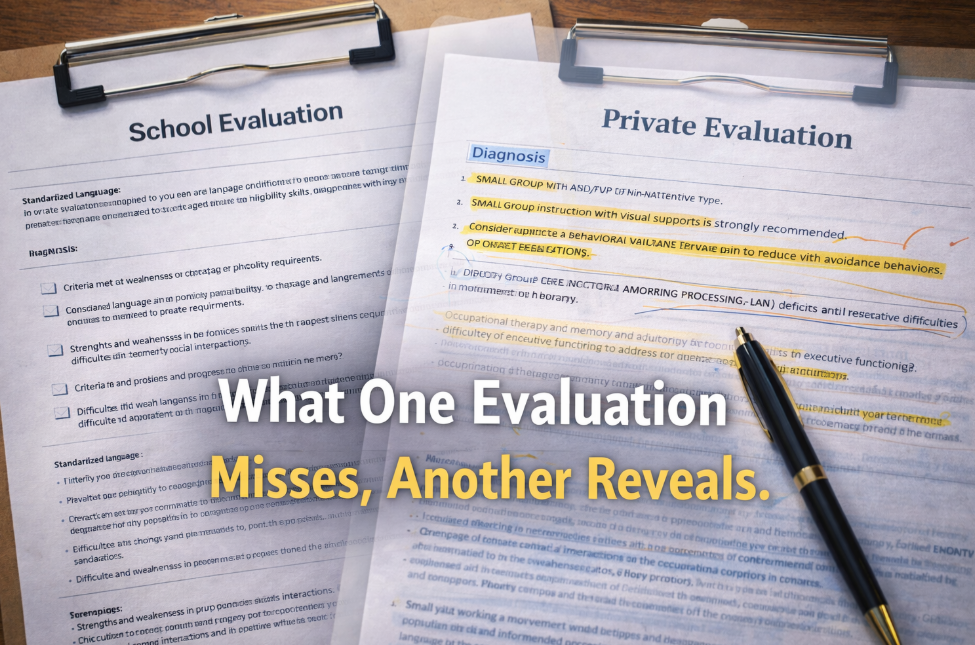
When a child is struggling, evaluation results can make all the difference. They shape how needs are identified, how goals are written, and what services…
When a child is struggling, evaluation results can make all the difference. They shape how needs are identified, how goals are written, and what services…

Parents are told their child is “making progress.” You might see a chart, a percentage, or a brief note in an IEP update. On paper,…

Least Restrictive Environment, often called LRE, is one of the core principles of special education. It can shape not only the setting where a child…

Decisions made in an IEP meeting shape a child’s school experience, the services they receive, how progress is monitored, and the support they’ll get throughout…

School should be a place where every child feels safe, supported, and valued. Unfortunately, students, including those with disabilities, often encounter teasing, harassment, and even…

Parents of children receiving special education services often rely on evaluations conducted by their school district to determine eligibility and support educational planning. But what…
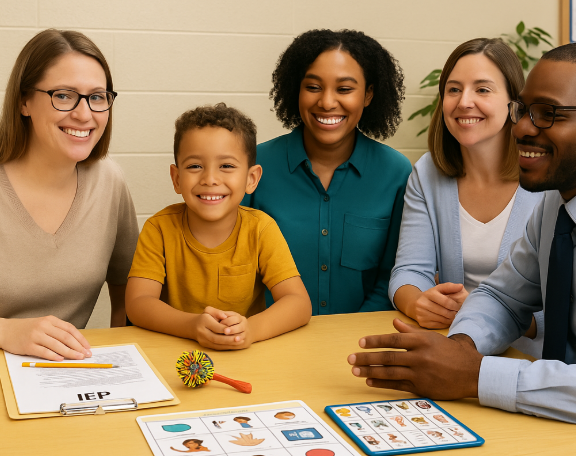
A vital and sometimes overlooked component of special education is the array of related services that help students succeed both in and out of the…
For students with disabilities, the transition from high school into adulthood is a significant milestone. This process—commonly referred to as “transition planning”—is a required component…

Behavioral challenges in the classroom can impact not only a child’s learning but also their social development, emotional health, and overall well being. As a…

School Evaluations determine whether a child qualifies for Special Education. Evaluations provide valuable insight into a child’s learning style, strengths, and challenges. Understanding the components…