

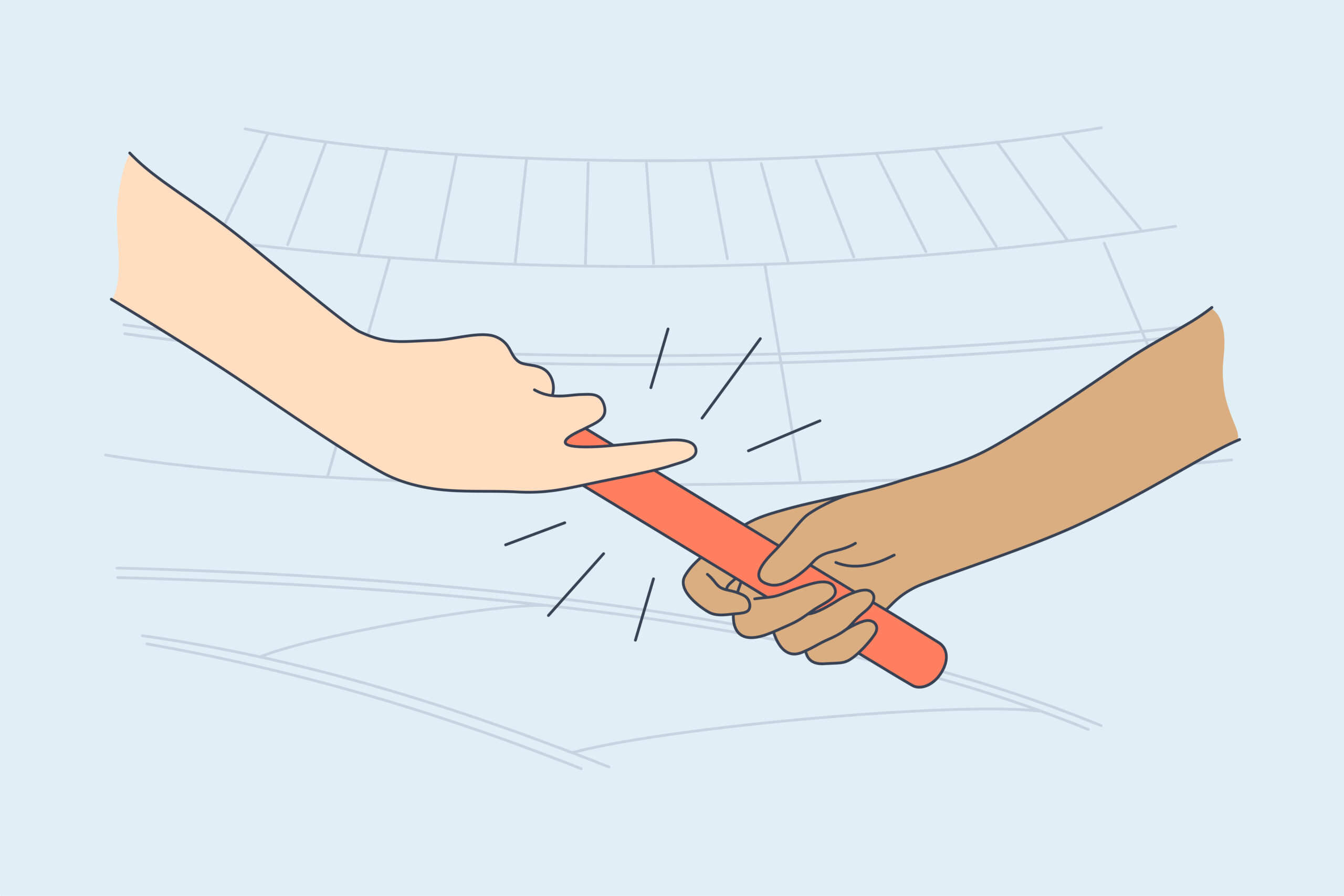
For students with disabilities, the transition from high school into adulthood is a significant milestone.
This process—commonly referred to as “transition planning”—is a required component of the Individualized Education Program (IEP) and is intended to prepare students for life beyond the classroom.
Whether that includes higher education, vocational training, employment, or independent living, planning early and thoroughly is highly recommended.
What Is Transition Planning?
Transition planning is the process of setting goals and identifying services that will help students with disabilities move from school into postsecondary life.
In Illinois transition planning must begin no later than the first IEP in effect when the student turns 14.5 years old. The plan should be student-centered and based on the student’s strengths, interests, and post-secondary goals.
Components of a Transition Plan
A comprehensive transition plan includes measurable postsecondary goals and the services or supports needed to achieve them. These may focus on:
- Education: College, vocational school, or continuing education programs.
- Employment: Job training, career counseling, or part-time work experiences.
- Independent Living: Skills for managing daily life, including transportation, budgeting, and self-care.
The IEP team—including the student and their parents—should work together to develop a realistic and personalized plan. Outside agencies such as vocational rehabilitation services, job coaches, or adult service providers may also participate in planning and service coordination.
The Importance of Student Voice
One of the most important elements of transition planning is encouraging the student to take an active role.
This is an opportunity to develop self-advocacy and decision-making skills. Students should be invited to attend their IEP meetings and encouraged to share their interests, goals, and concerns. Practicing these skills during high school lays the groundwork for greater independence in adulthood.
Transition Programming
Illinois transition programs for eligible students aged 18–22 often emphasize community-based instruction, job training, and life skills development.
These programs may take place outside the traditional school setting and are designed to help students build real-world readiness through hands-on learning experiences and continued support from educators and service providers.
Transition planning is a dynamic and evolving process that sets the stage for a student’s future. With early planning, meaningful goals, and collaboration between families, schools, and service providers, students with disabilities can leave the school system better prepared to participate fully in their communities, with increased purpose and independence.
About Ancel Reiter LLC
Whether through Special Education Legal Representation or Child & Family Advocacy Services, our central goal is to empower parents and their children with the knowledge to find success at school, at home, and in the community. Our legal practice focuses on special education law and related issues in the greater Chicago area: Cook County, Lake County, DuPage County and throughout Illinois.
For more information, contact us today.